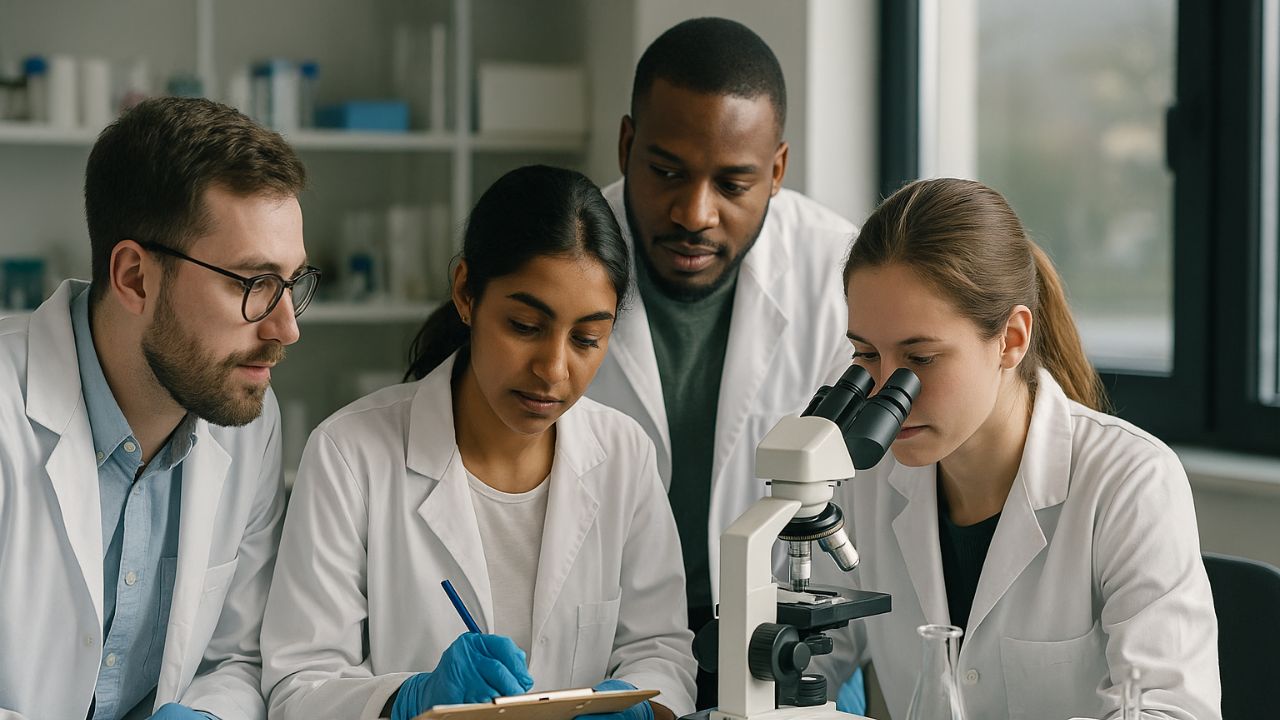
Global Scientific Innovation – Graduate research has become a cornerstone in advancing global scientific knowledge and innovation. Every year, thousands of graduate students contribute groundbreaking insights across disciplines, from medicine and engineering to environmental studies and data science. Their rigorous research methodologies, coupled with fresh perspectives, often lead to discoveries that shape industries, inform policy, and inspire further academic inquiry. The role of graduate research extends beyond mere data collection; it encompasses hypothesis formulation, experimental design, critical analysis, and the dissemination of findings. By tackling complex problems and exploring uncharted territories, graduate students become key drivers of scientific progress worldwide.
Why Graduate Research Matters in the Modern Scientific Landscape
Graduate research plays a crucial role in addressing some of the most pressing global challenges, including climate change, sustainable energy, and public health crises. For instance, graduate-level studies in climate modeling provide policymakers with accurate predictions, which help guide environmental regulations and disaster preparedness strategies. In biotechnology and medicine, graduate research fosters the development of innovative treatments and vaccines. Moreover, the collaborative nature of graduate research allows students to work with international teams, enabling the exchange of knowledge and techniques that accelerate scientific advancement. These collaborations often result in publications in high-impact journals, patents, and technological innovations that directly influence industries and communities.

Integrating Academic Research With Real-World Applications
One of the most impactful aspects of graduate research is its integration with real-world applications. Many universities and research institutions encourage graduate students to engage with industry partners, government agencies, and non-profits to translate theoretical findings into practical solutions. For example, engineering research may lead to the creation of sustainable infrastructure, while social science studies can inform educational policies or community development programs. This emphasis on application ensures that graduate research not only advances academic understanding but also contributes tangibly to society’s needs.

Supporting Graduate Researchers Through Resources and Mentorship
The success of graduate research heavily depends on the availability of resources and mentorship. Access to cutting-edge laboratories, advanced computational tools, and comprehensive libraries enables students to conduct high-quality experiments and analyses. Mentorship from experienced researchers provides guidance in designing studies, interpreting results, and navigating the publication process. Institutions that prioritize these supports often witness higher levels of innovation and research impact, underscoring the importance of creating a nurturing environment for graduate scholars.
How Our Platform Supports Graduate Innovation
At DEU-ISGR-23, we are committed to fostering a global community of scholars and researchers. Our platform provides access to official proceedings, poster presentations, and student sessions, enabling graduate students to share their findings with an international audience. By connecting students with mentors, peers, and industry professionals, we help facilitate collaborations that drive scientific innovation. From climate change research to sustainable development studies, our resources empower graduate researchers to amplify their work and contribute meaningfully to global scientific progress.
Graduate Research as a Catalyst for Innovation
Graduate research not only produces new knowledge but also cultivates critical thinking, problem-solving skills, and intellectual curiosity. These qualities are essential for addressing complex, multidimensional challenges. Graduate researchers are trained to question assumptions, explore alternative approaches, and communicate their findings effectively. This combination of skills and knowledge enables them to propose innovative solutions, design novel experiments, and develop technologies that can transform societies. Their contributions often extend far beyond the academic realm, influencing economic development, healthcare advancements, and environmental sustainability initiatives worldwide.
The Future of Graduate Research and Global Collaboration
The future of scientific innovation heavily relies on global collaboration among graduate researchers. With the rise of digital communication tools and open-access platforms, students from different continents can now collaborate seamlessly, share data in real-time, and co-author publications. These collaborations not only enrich the research process but also foster cross-cultural understanding and multidisciplinary approaches. As scientific challenges become increasingly complex, the ability to work in international networks will be a defining factor in producing impactful research and driving innovation.Graduate research serves as the lifeblood of global scientific innovation. By combining rigorous methodologies, creative problem-solving, and real-world applications, graduate students make invaluable contributions to society. Platforms like DEU-ISGR-23 play a pivotal role in connecting these researchers with the wider scientific community, enabling knowledge sharing, collaboration, and innovation. As graduate research continues to evolve, it will remain a critical driver of discoveries, technological advancements, and solutions to some of the world’s most pressing challenges.